
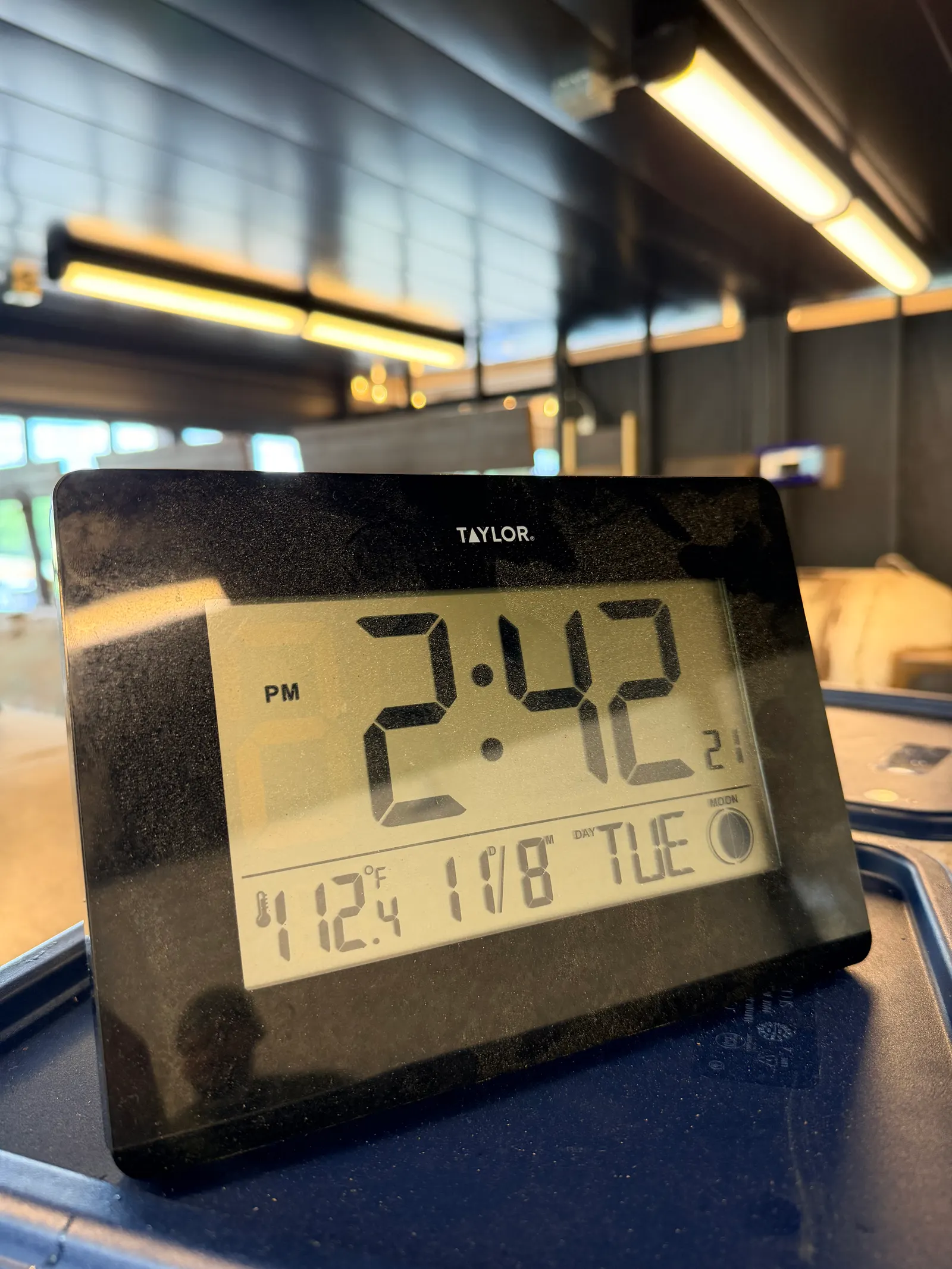
I fix hot rooms for a living. Somebody calls, a room is 112 degrees, and my whole job is making that number go away. So understand what it means when I tell you I stood in a 112-degree room in Benton last week, on purpose, grinning — and told them not to change a thing. That room is the pit room at the new Wright's Barbecue, and that heat is the whole point.
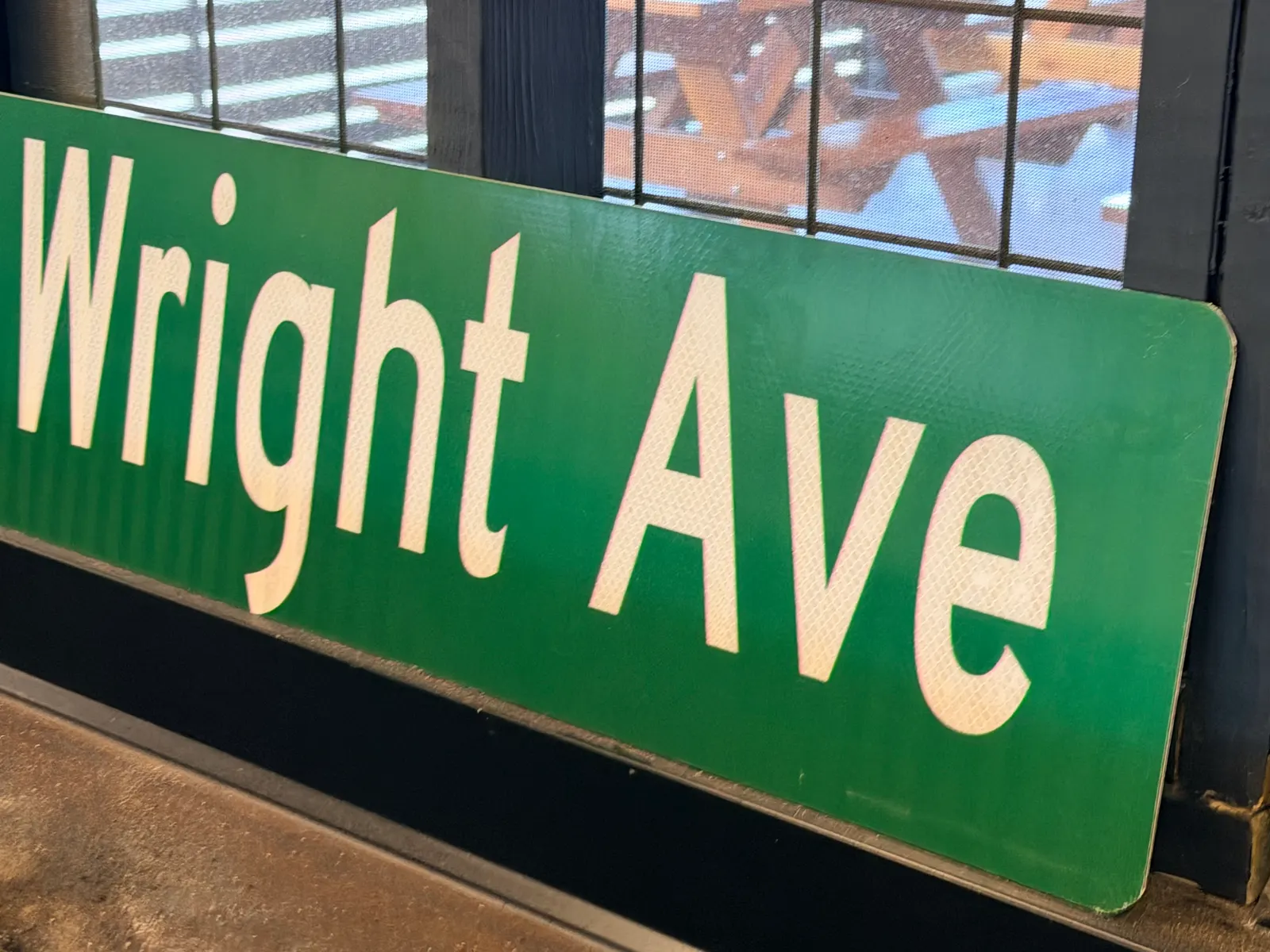
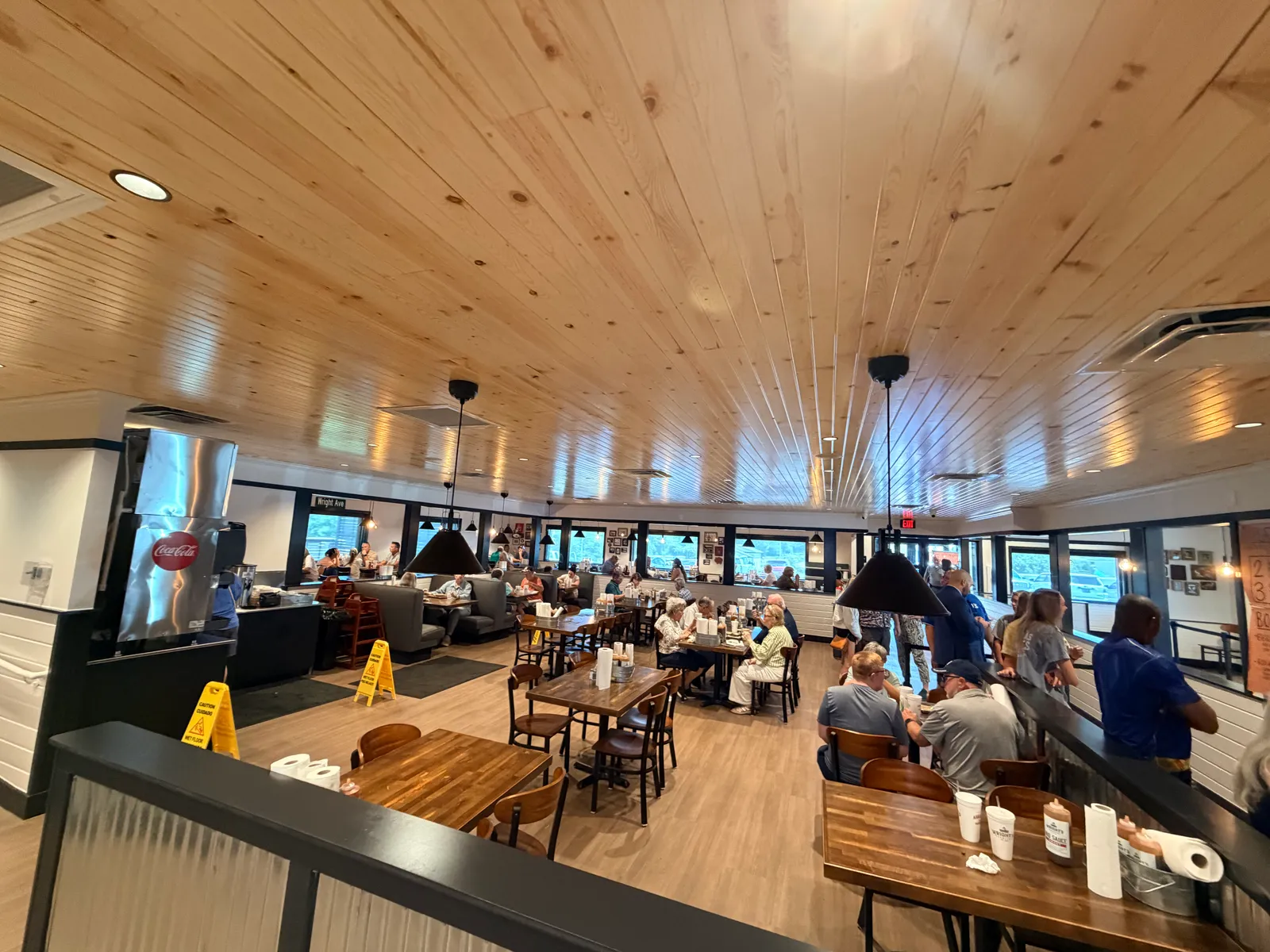
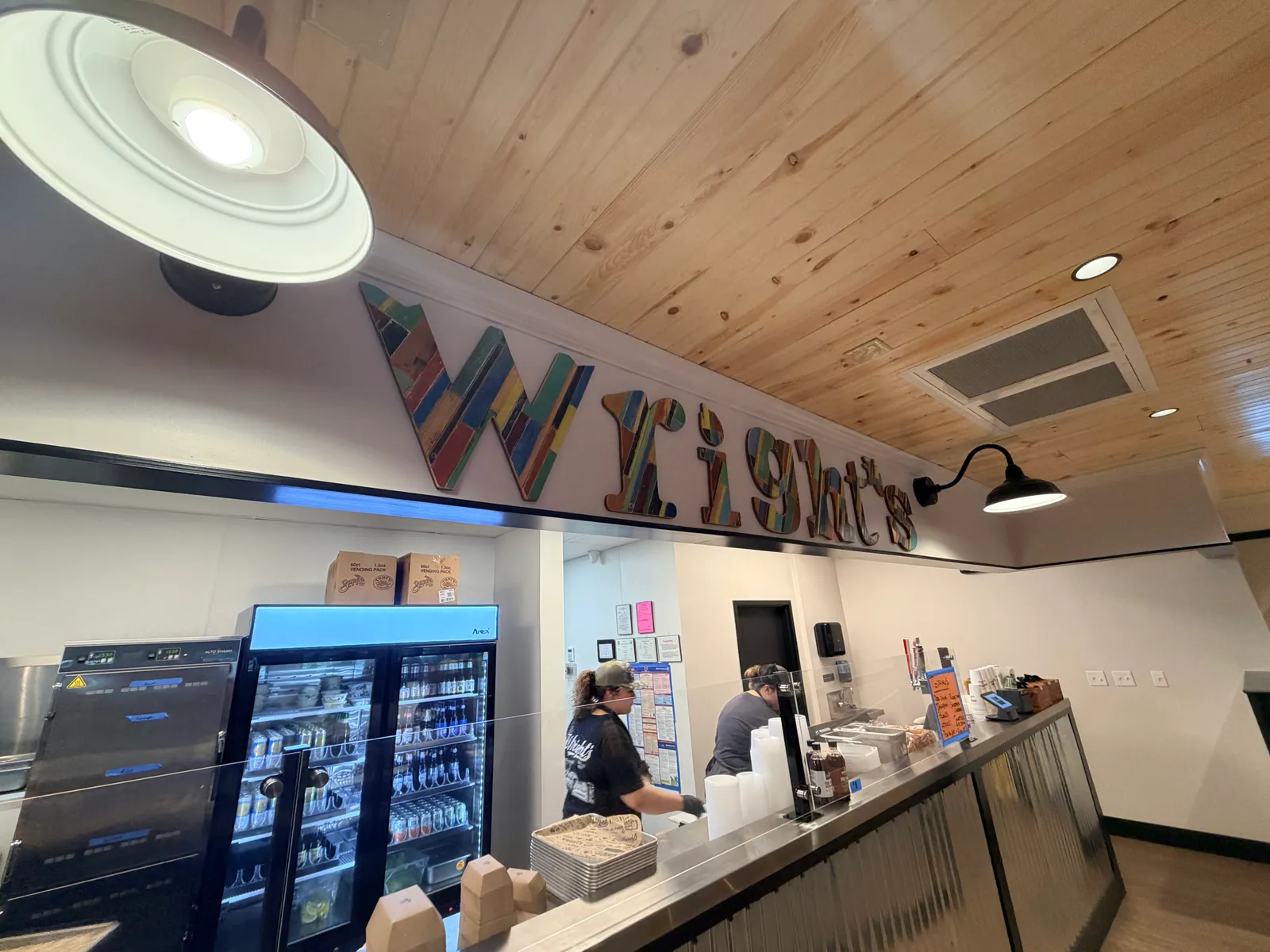
If you're from up around Fayetteville, Wright's Barbecue needs no introduction. Jordan Wright started this thing in 2016 as a backyard smoker operation, graduated to a food truck, and built it into one of the names people mean when they say Arkansas barbecue got serious — six locations across the state now, run on a philosophy their own site puts best: "low and slow, log by log, and fire by fire." The shirts say est. 2016 like a dare to go check the math. And now there's one in Benton, in our backyard, with a green Wright Ave street sign hanging inside like the building was always supposed to have their name on it.
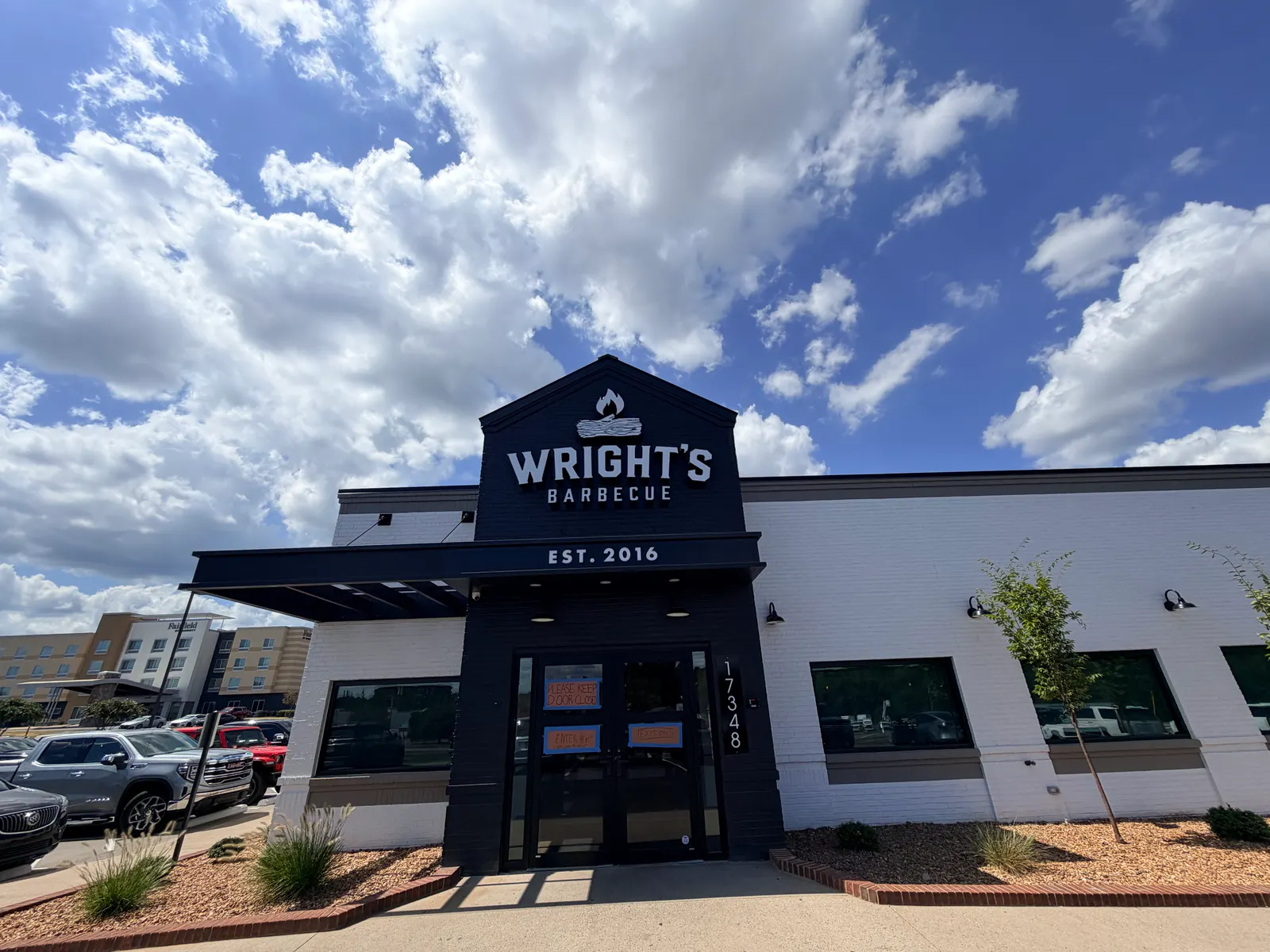
And here's a wrinkle worth naming: Wright's opened in Benton right about the same time the new Buc-ee's did — yes, the one we wrote a whole engineering love letter about — and Buc-ee's sells barbecue by the ton. I genuinely wondered how that timing would treat them. Then I ate here. Go taste it yourself and you'll stop wondering too. A travel center and a pit room are playing two different sports.
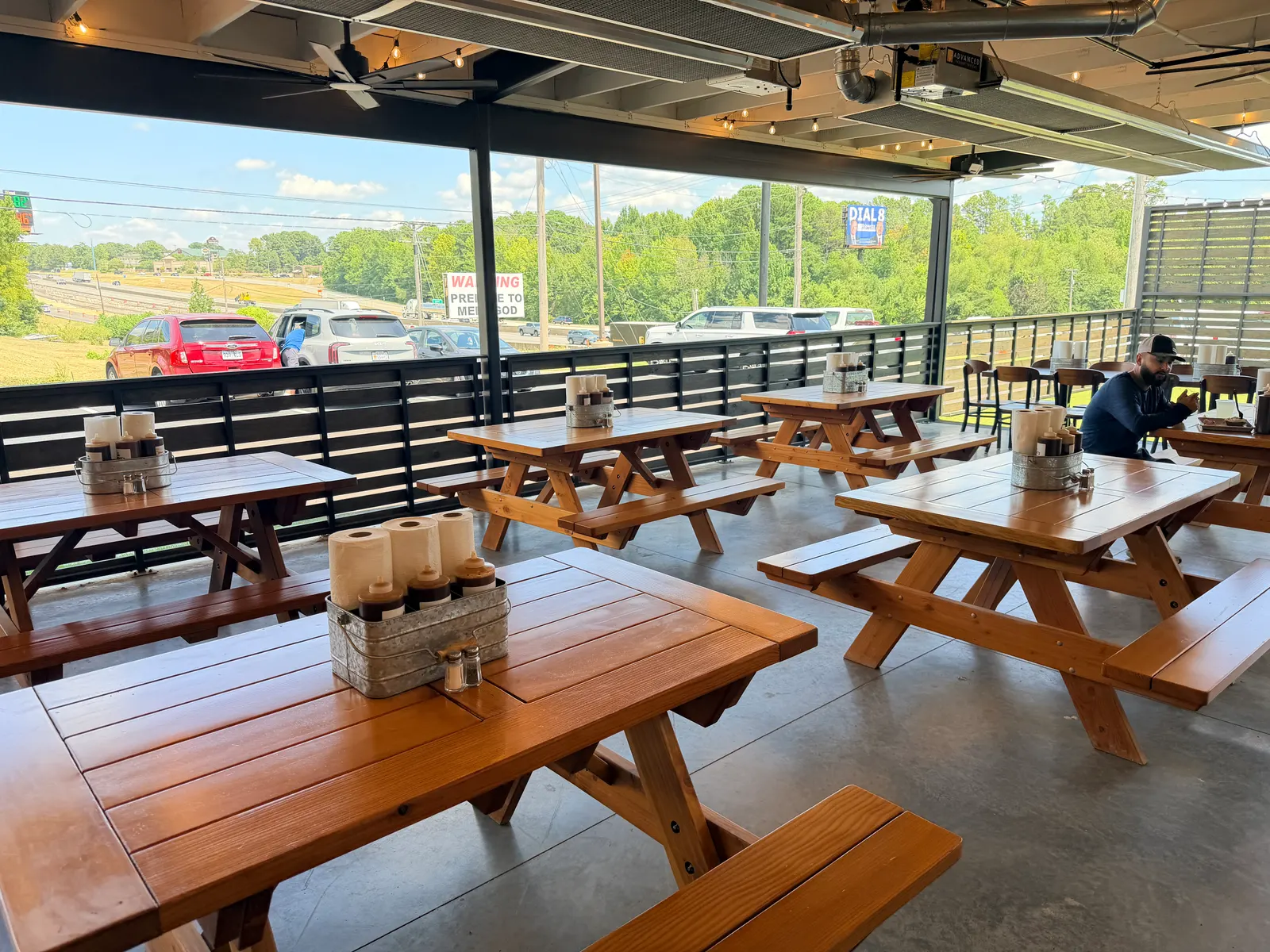
The building tells its own story: this used to be an Applebee's, and you'd never know it. They gutted it into something clean and modern — pine ceilings, big windows, good light — with great outdoor seating strung with patio bulbs for the evenings Arkansas actually cooperates.
The man at the pits
From the parts counter to the fire
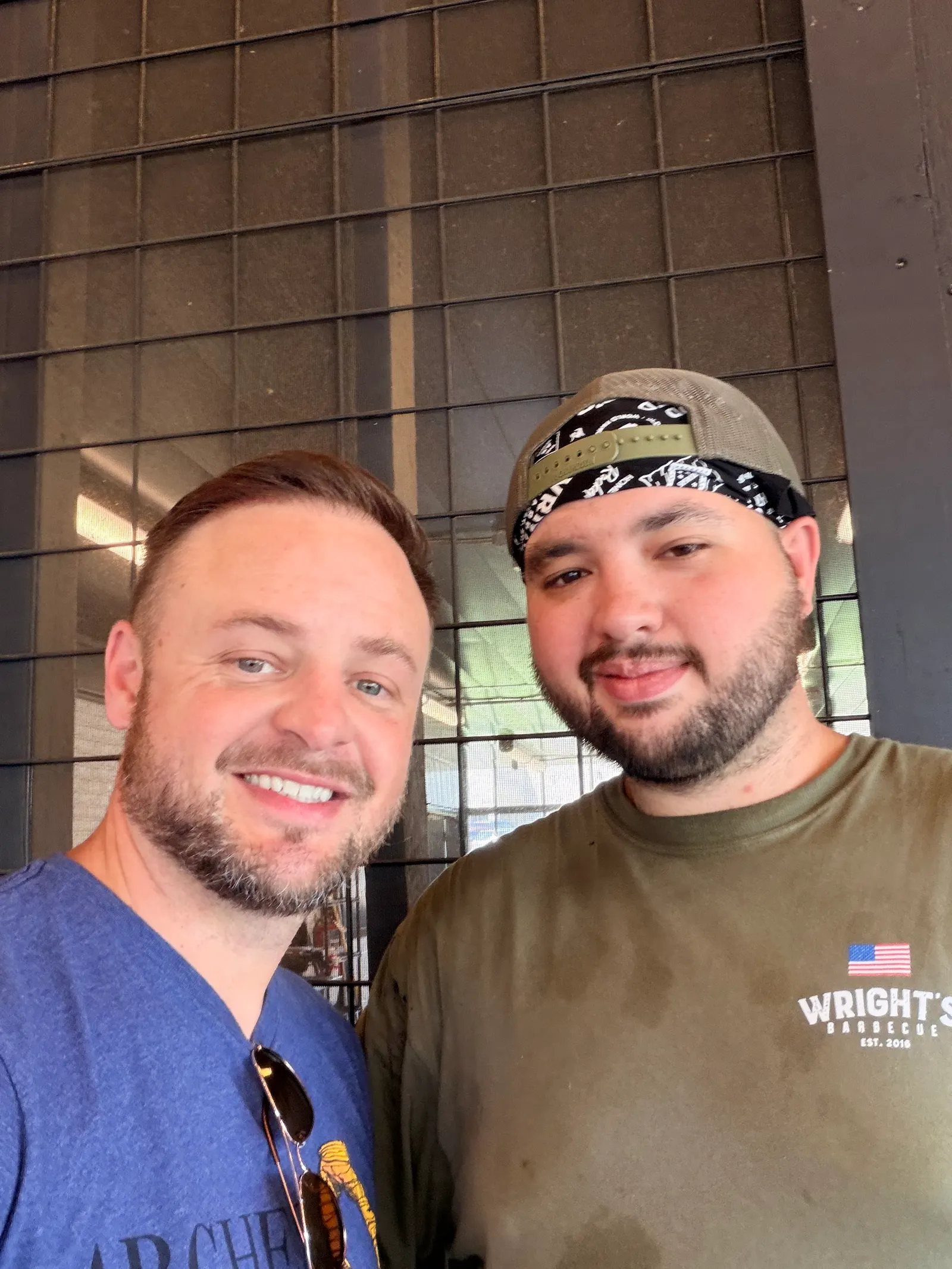
Here's the part of this story that got me. The pit room at Wright's Benton belongs to pitmaster Chase Faullin — and working the fire on his crew is a man named James Roach. Before James wore a Wright's shirt, he worked for M&A Supply, in the HVAC business. Same world I live in. Counters, part numbers, compressors, guys like me coming in sweating about a warranty claim. And at some point James looked at all that and decided to make a change of pace — his words to me were that he wanted to get back to his dream of cooking. So he started where every serious pit man starts: on the crew, tending oak instead of inventory, with his eye on running pits of his own someday. The man looked happy doing it.
I'll be honest, that one sat with me on the drive home. Most people never get to watch somebody actually walk from the thing that pays the bills toward the thing that lights them up. I got to shake hands with a guy mid-walk. He told me his family's headed to France next year for work — taking in the culture, the way a man serious about food would. From a supply counter in Arkansas to that. You love to see it.
The hardware
Moberg steel and an all-oak fire
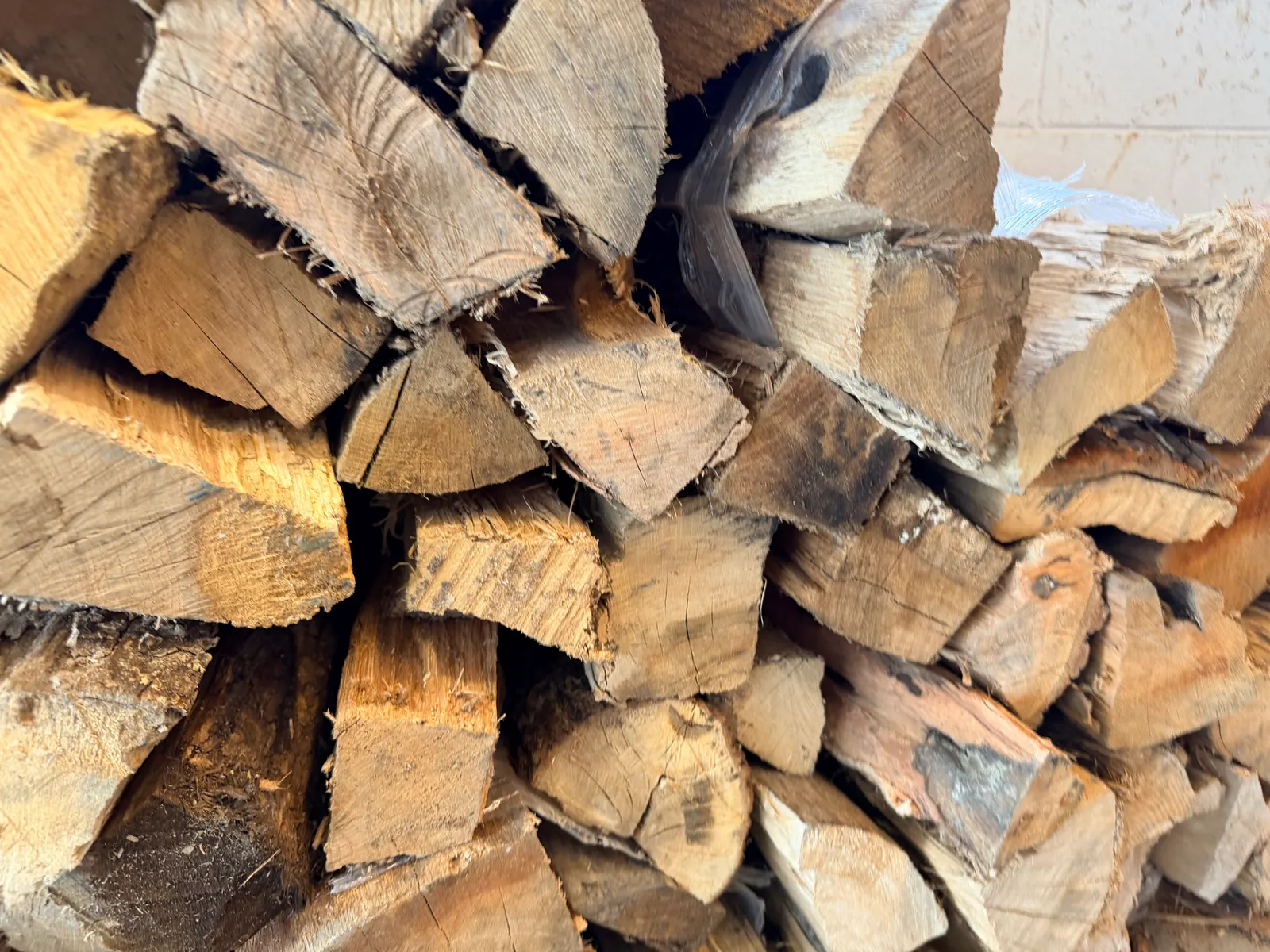
Now the part my tech brain refused to leave alone. The pits are Moberg smokers — big offset steel with the name cut right into the plate, wearing their rust like a uniform. There's no gas assist and no pellet auger doing the thinking. It's a stack of split oak, a firebox, and people who understand both — that's pitmaster Chase Faullin's room, and it runs his way. As a man who spends his days around heat exchangers, I have real respect for a shop that runs its entire business on airflow, draft, and one guy's judgment.
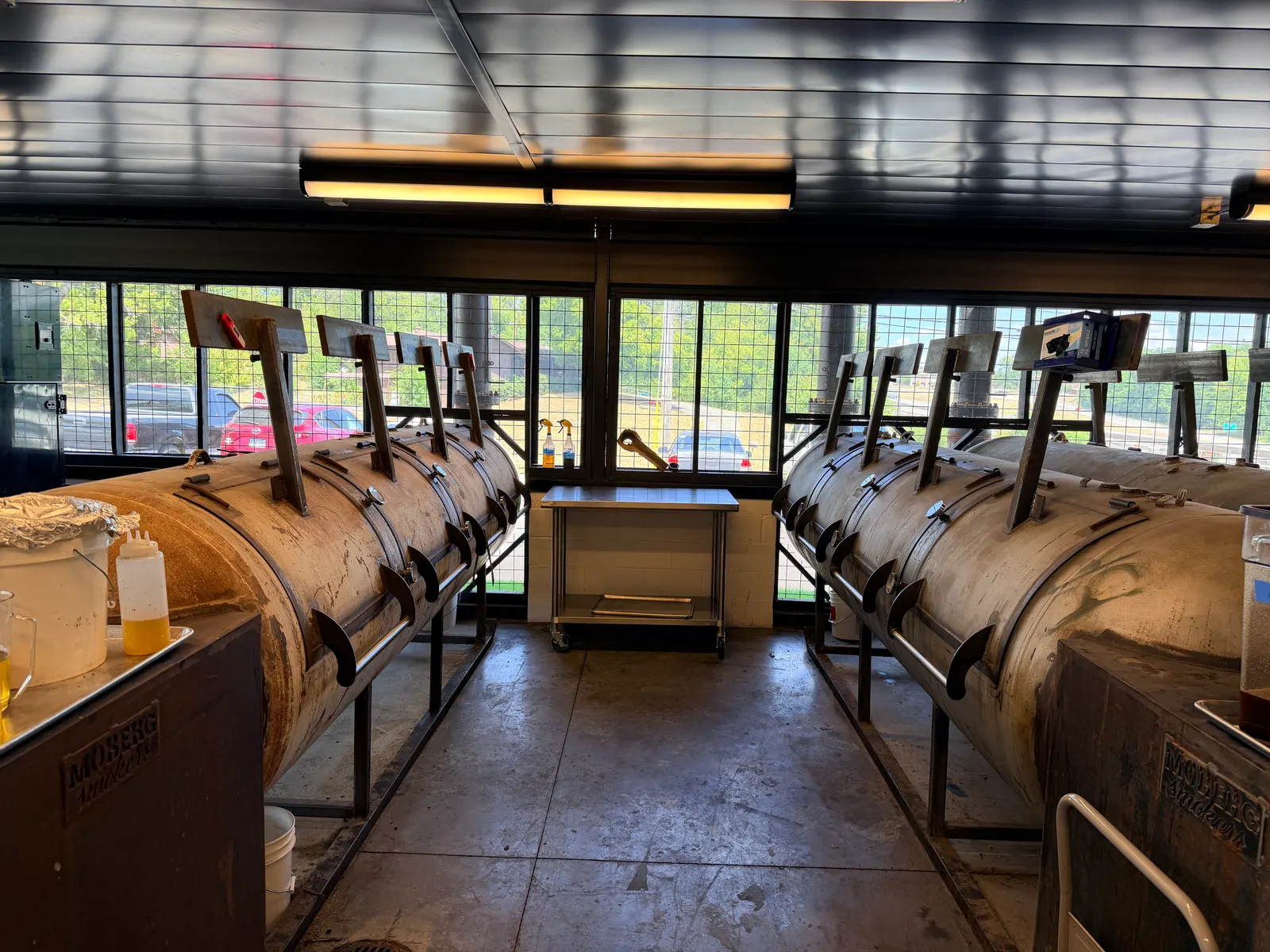
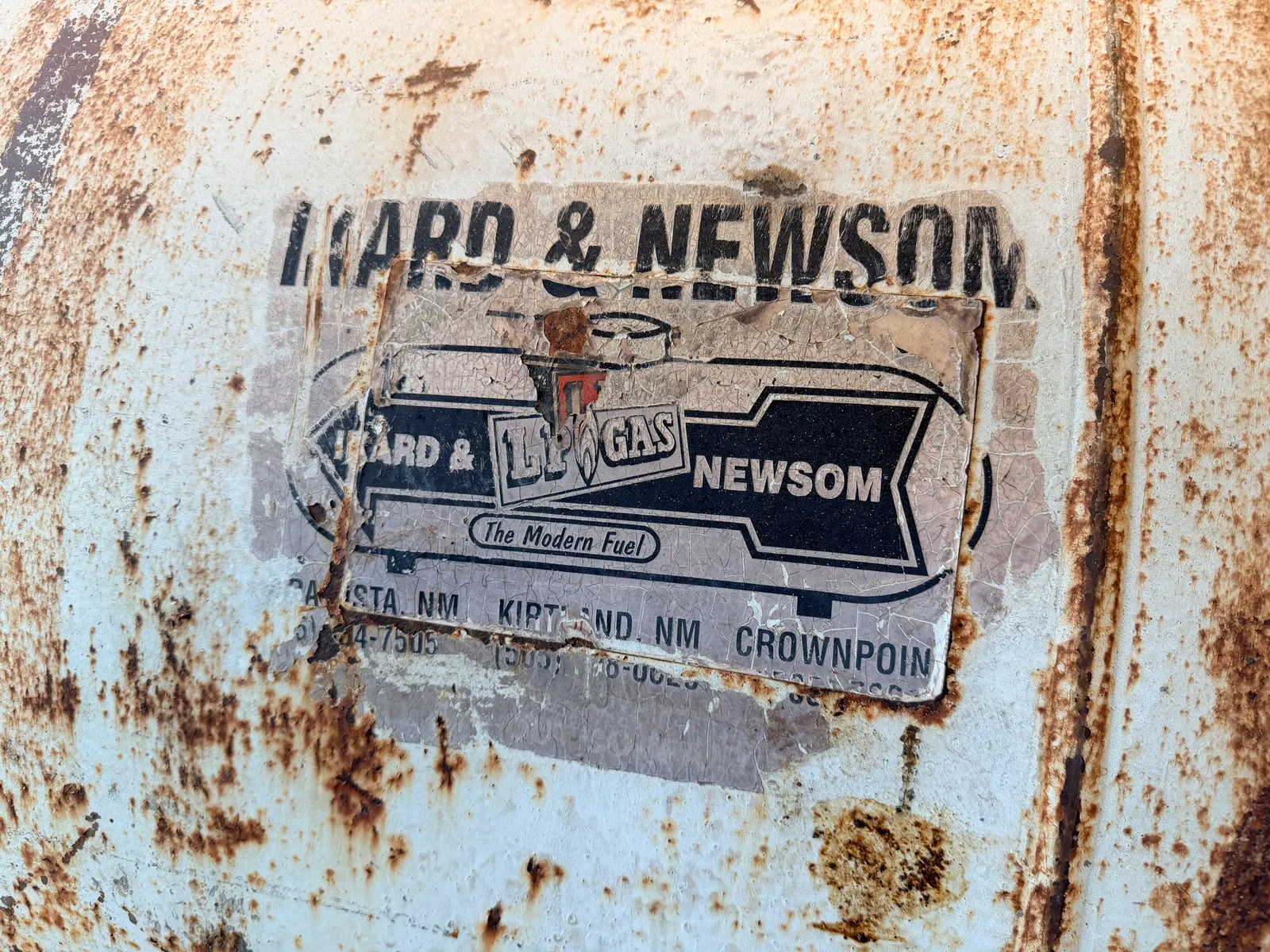
And here's my favorite piece of steel trivia in Saline County: those smokers are built from four 1,000-gallon propane tanks. Look close at one and you can still read Ward & Newsom LP Gas — "The Modern Fuel" ghosting through the rust. Tanks that spent their first life holding the modern fuel now spend this one burning the oldest fuel there is. That's the best joke a piece of steel ever told, and it's also honest engineering — a 1,000-gallon tank is thick, round, and holds heat like it was born for the job.
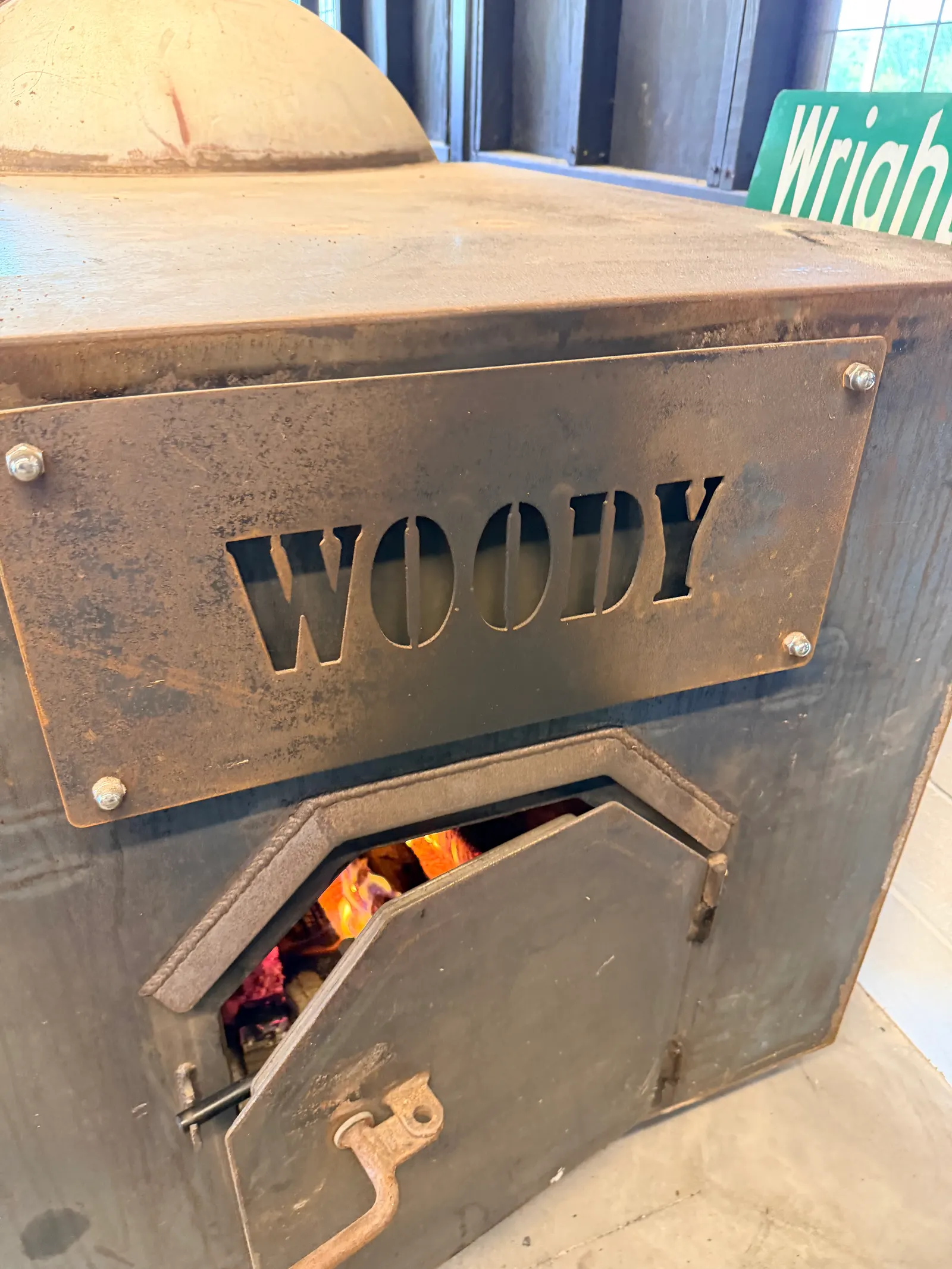
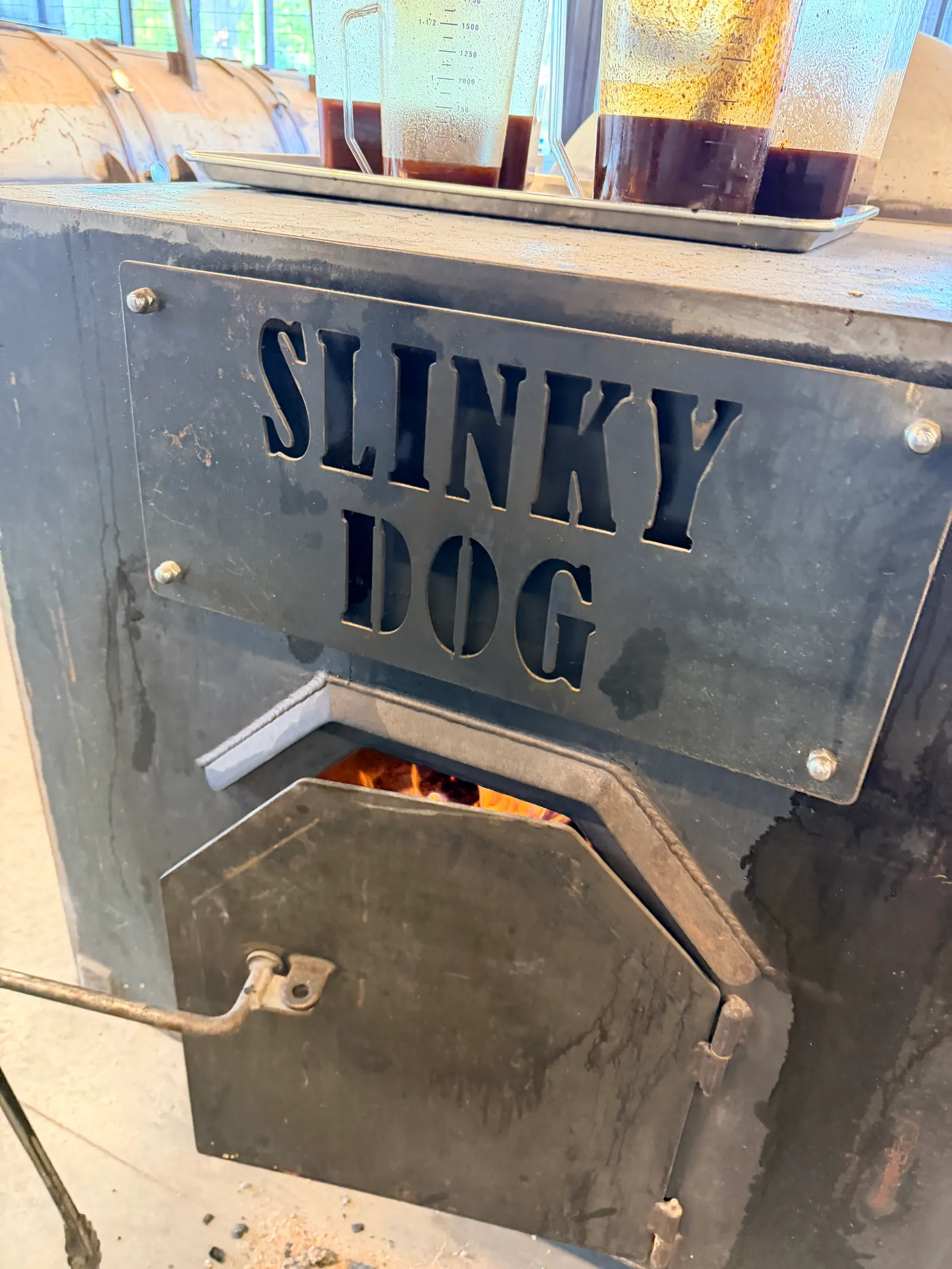
They name the fireboxes, too — I found Woody and Slinky Dog painted on the steel, which tells you these pits are family, not equipment. And the thermometer on the pit room wall read 112.4 degrees while I stood there. Nobody was complaining.
Now let me put my day-job hat on for one paragraph, because this is the part I couldn't stop thinking about: this kitchen's heavy lifting runs on wood, not electricity. No banks of electric elements cycling all day, no compressors fighting a heat load — the cook line is oak logs and draft. As a man who thinks in kilowatts for a living, there's something beautiful about a business whose core process hasn't needed a utility upgrade since before there were utilities. The fire does the work. The people manage the fire.
pit room math
¼ rick of oak a day (per the crew)
1 rick = ⅓ cord · oak ≈ 24,000,000 BTU / cord
→ about 2,000,000 BTU a day. from logs.
electric heat = 3,412 BTU per kWh
2,000,000 ÷ 3,412 ≈ 590 kWh a day
(≈ 20 houses' worth. every day.)
@ 10¢/kWh → $59/day → ~$1,800/mo → $21,000+/yr
the oak? ~$20 a day.
the fire works for ⅓ the price — and the smoke's free.
Wood consumption per the crew; fuel values, rick sizing, and rates are our own HVAC-guy math from standard figures — not Wright's books.
The proof
The tray
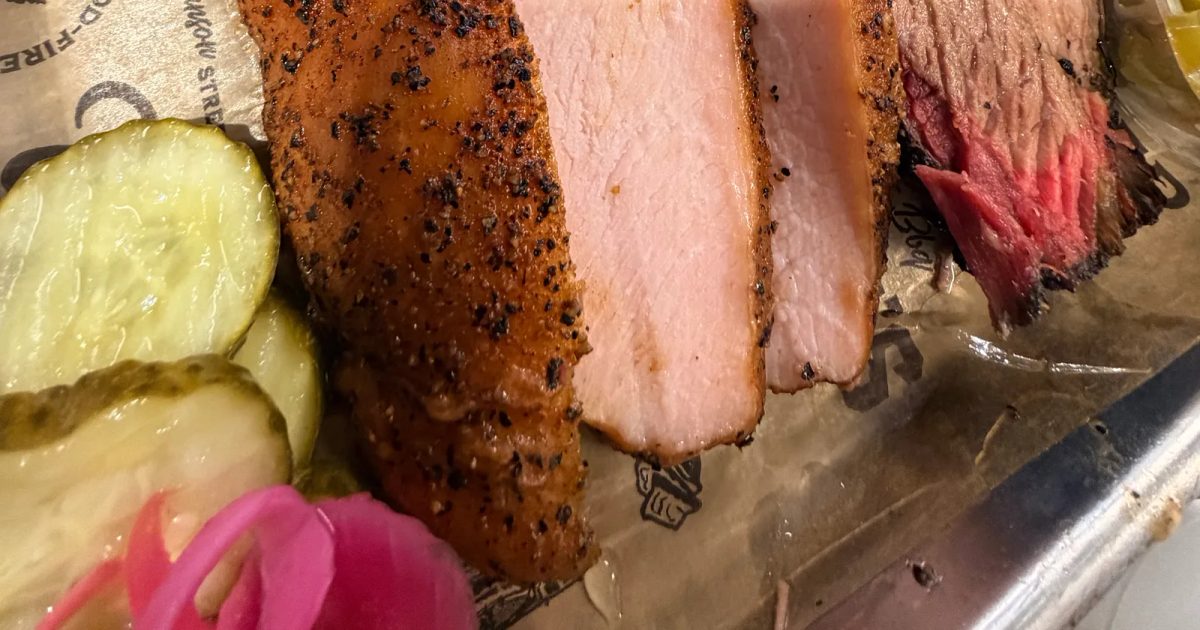
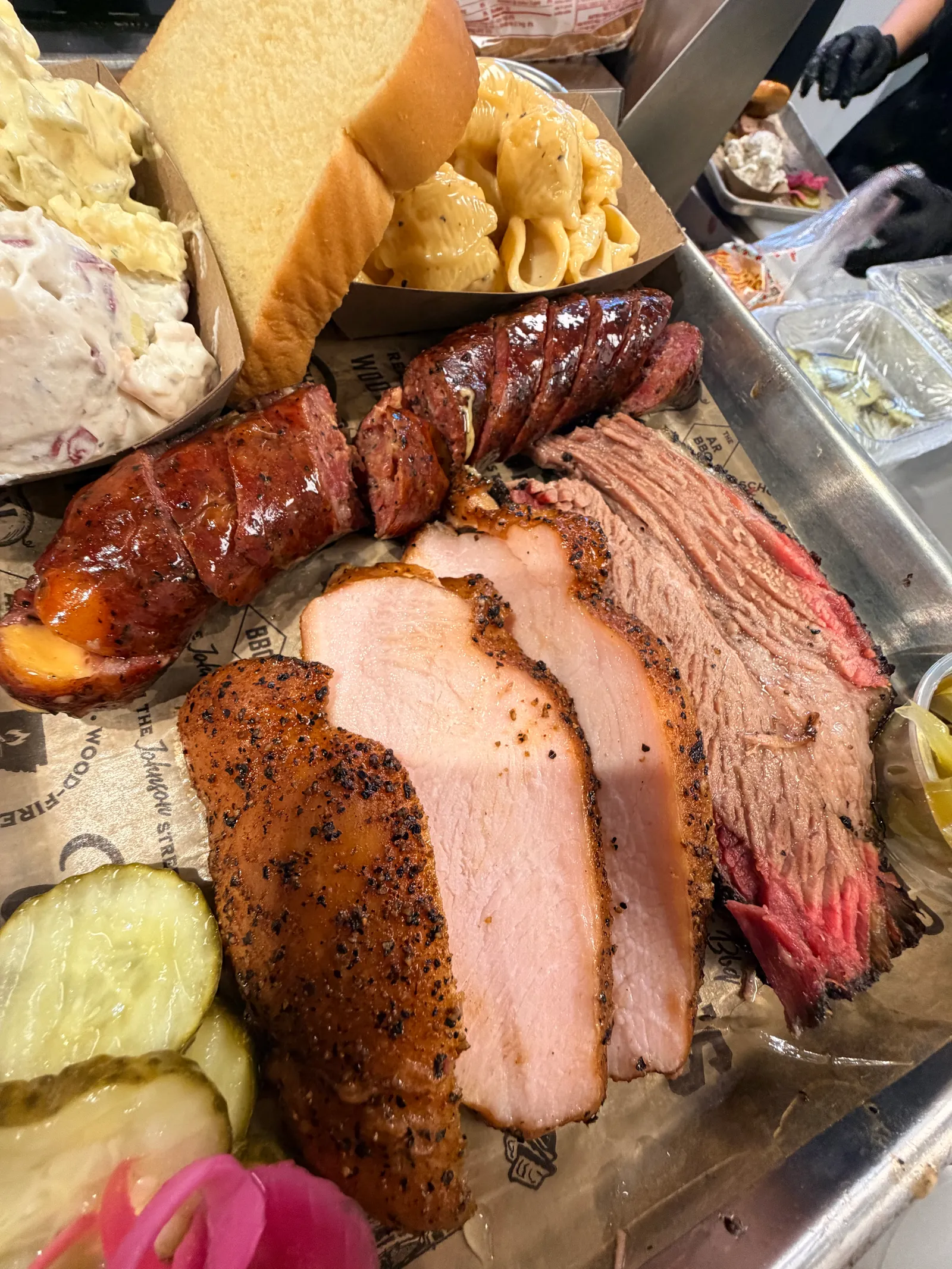
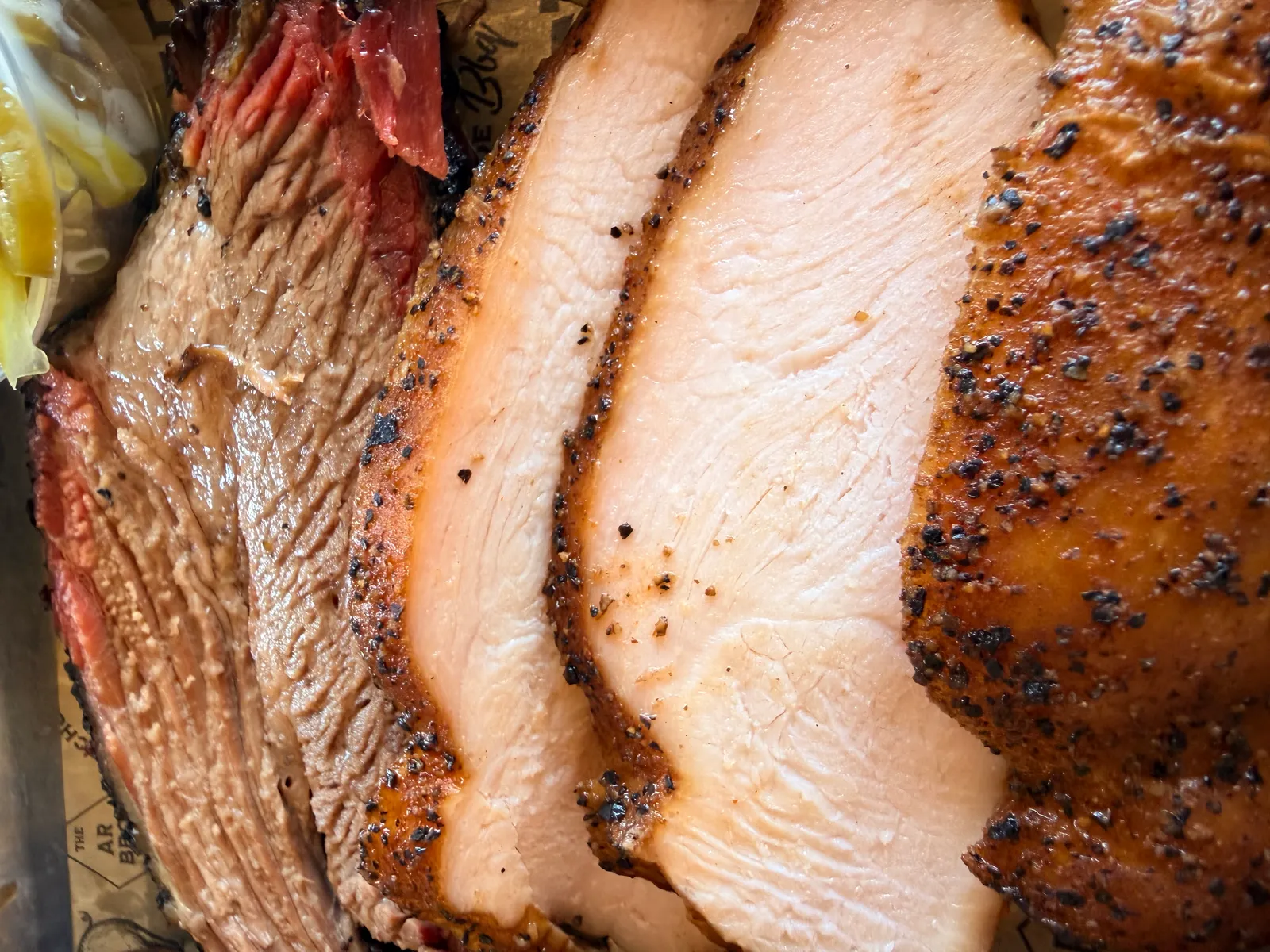
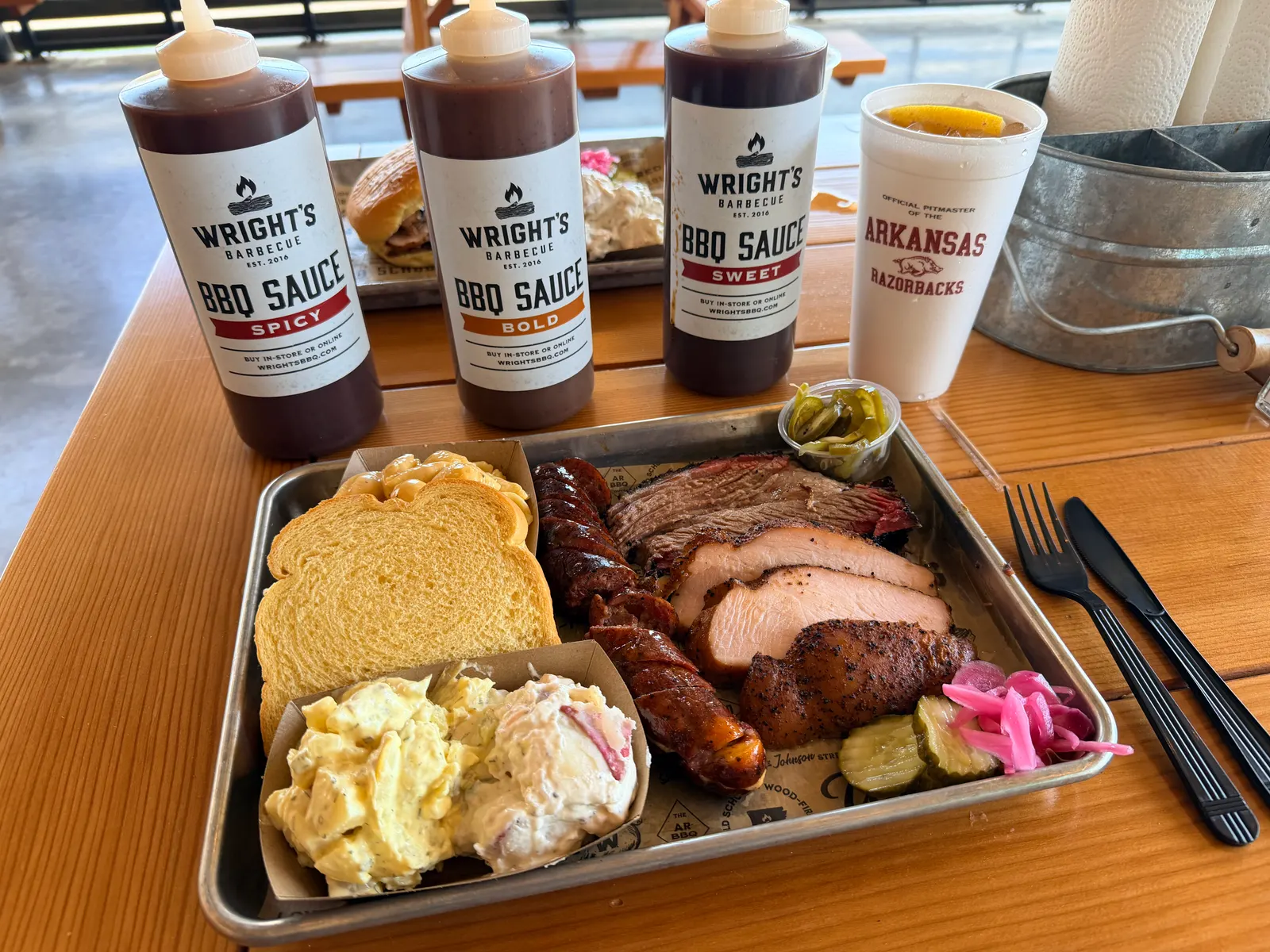
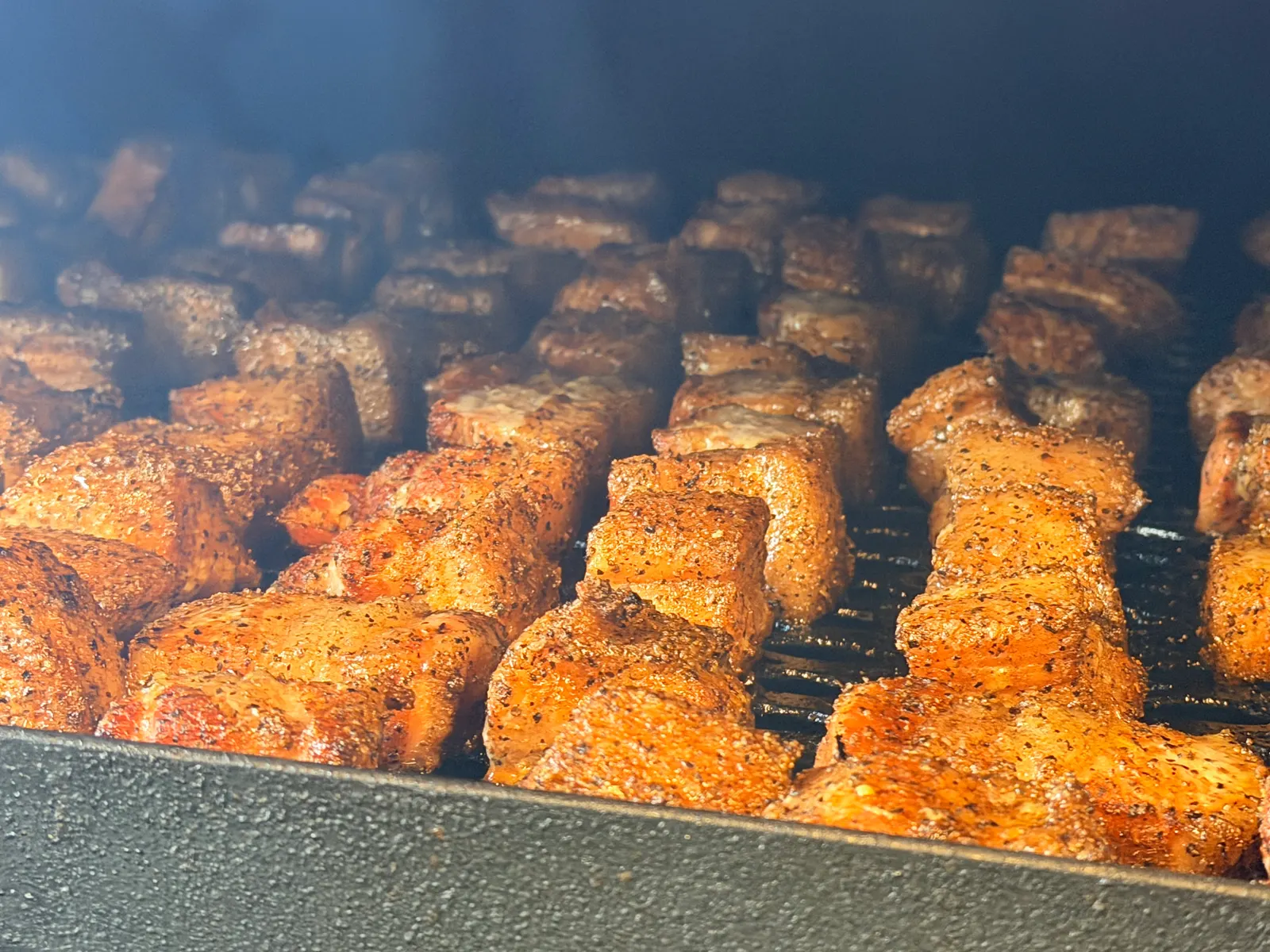
All of that steel and smoke is an argument, and the tray is the closing statement. Write these two down. Must-get: the fatty brisket — bark like pavement, a smoke ring you could read by, and it barely needs the fork. And number one, number one: the jalapeño-cheddar sausage, made by hand in house — snap on the casing, molten cheddar in the middle, just enough pepper to remind you who made it. Around them ran peppered smoked turkey, shells-and-cheese, potato salad, pickles, pickled red onions, and jalapeños on butcher paper stamped wood-fired. The pork belly burnt ends coming off those grates, lacquered and peppered and jiggling — those are the reason you get there before the line does. I'll say it plainly: this is some of the best barbecue I have ever eaten, anywhere.
Now the detail that tells you exactly where you are. I sat outside on that nice patio and started my meal with a soft slice of potato bread. Halfway through the meal, I was eating toast. Arkansas heat. Even the bread gets finished over fire around here — the patio just does it for free. (This is the part where I remind you my phone number is on the truck if your dining room ever pulls the same trick.)
One more flex sitting right on the table: the sauce lineup — Spicy, Bold, and Sweet, bottled to take home — next to a styrofoam cup that reads Official Pitmaster of the Arkansas Razorbacks. When the Hogs trust you with their barbecue, Saline County can too.
The people
Accommodating is the word
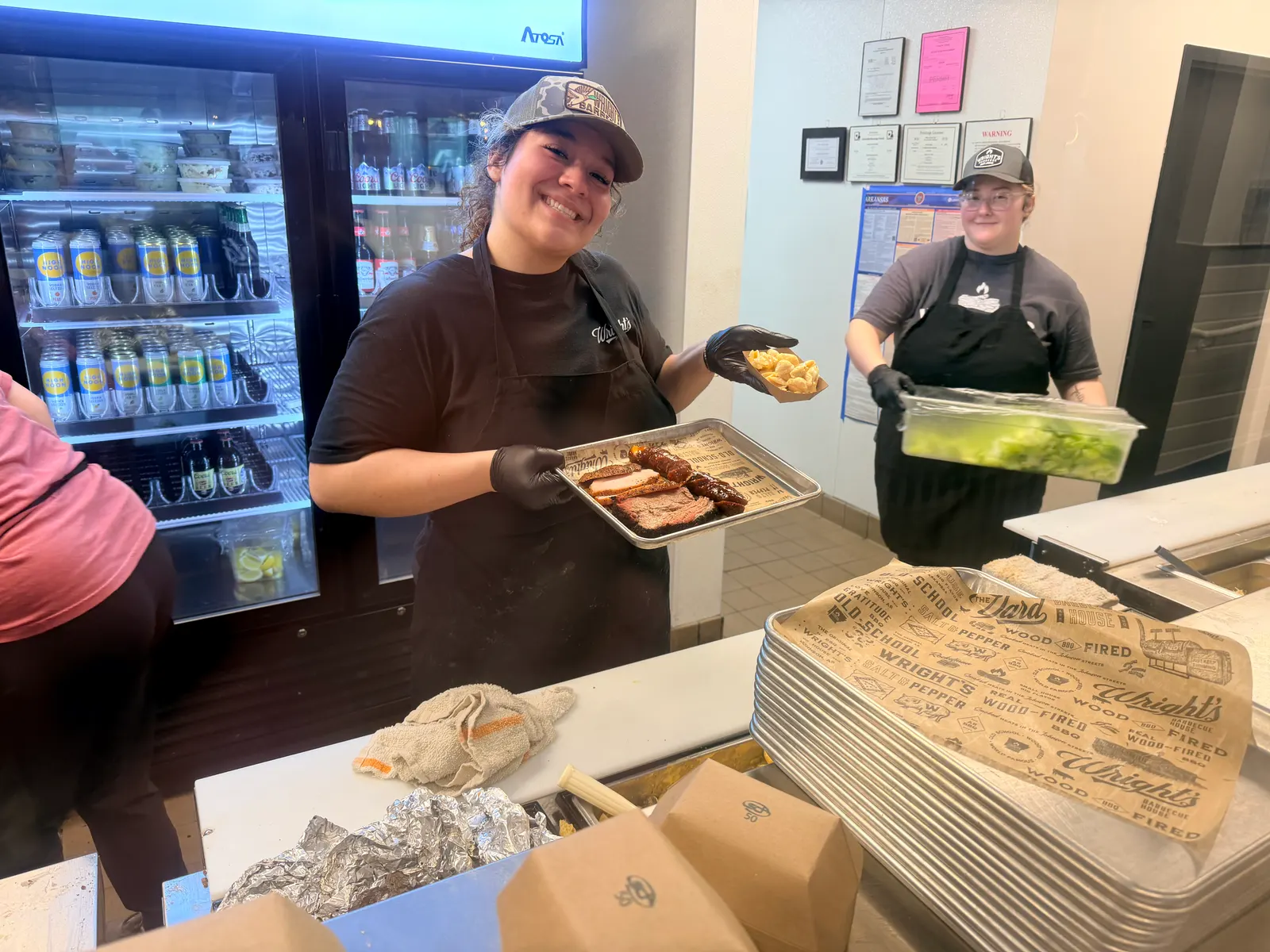
One more thing, because it matters more than the hardware: the hospitality. James took time out of a working pit room to talk shop with a stranger, and the ladies at the counter could not have been more accommodating — patient with questions, generous with recommendations, treating a first-timer like a regular. You can buy Moberg steel. You can't buy that. In a service business — and I run one — the people at the counter ARE the business, and Wright's staffed theirs right.
Go
Welcome to the neighborhood
Benton's having a moment — and a barbecue joint that runs on oak, steel, and men who'd walk away from a steady trade to chase a dream fits this town perfectly. Menus, hours, and all six locations are at wrightsbbq.com — go put a tray together. Chase, James, the ladies at the counter — welcome to Saline County, and thank you for the welcome you gave a stranger with questions. If the AC in the dining room ever acts up, you know who to call. The pit room, though — the pit room is perfect exactly as it is.