
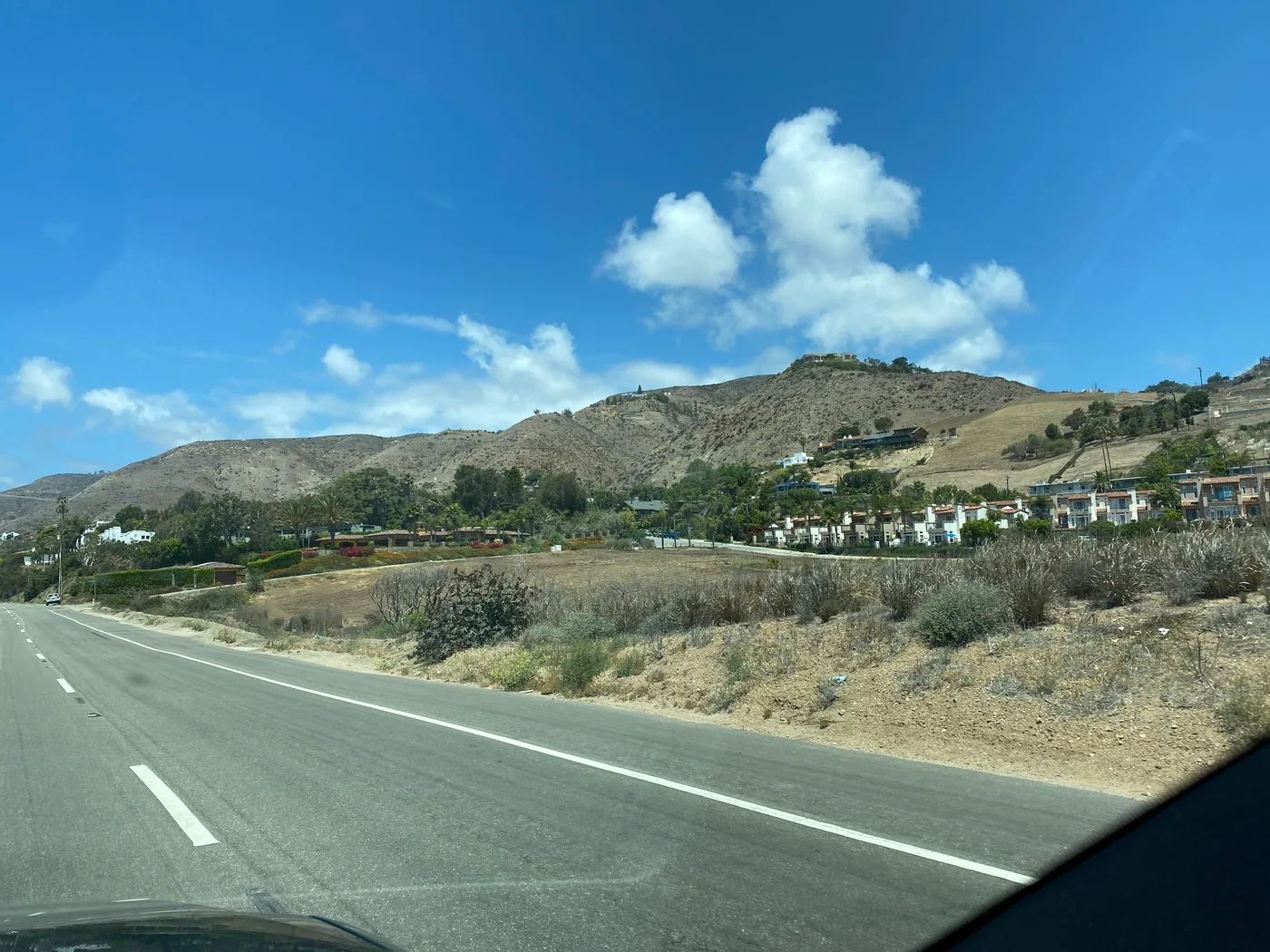
A few years back, I loaded up my wife and kids and drove from Los Angeles up to Sequoia. Down in the valley it was 100 degrees. But the higher we climbed, the more the temperature dropped — and by the time we reached the big trees, it was 72. The kids couldn't believe it. Climb high enough and the air just… cools down.
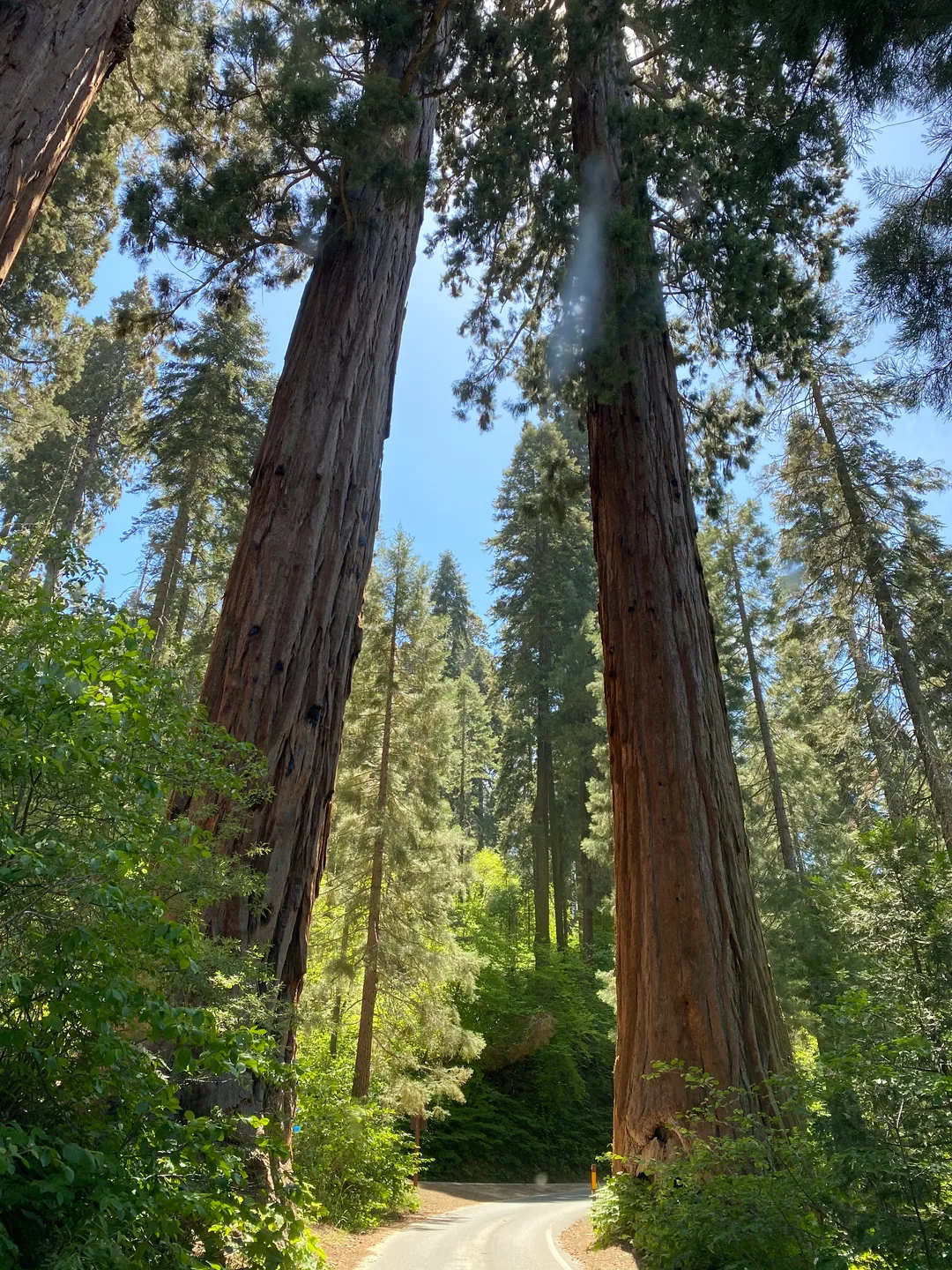
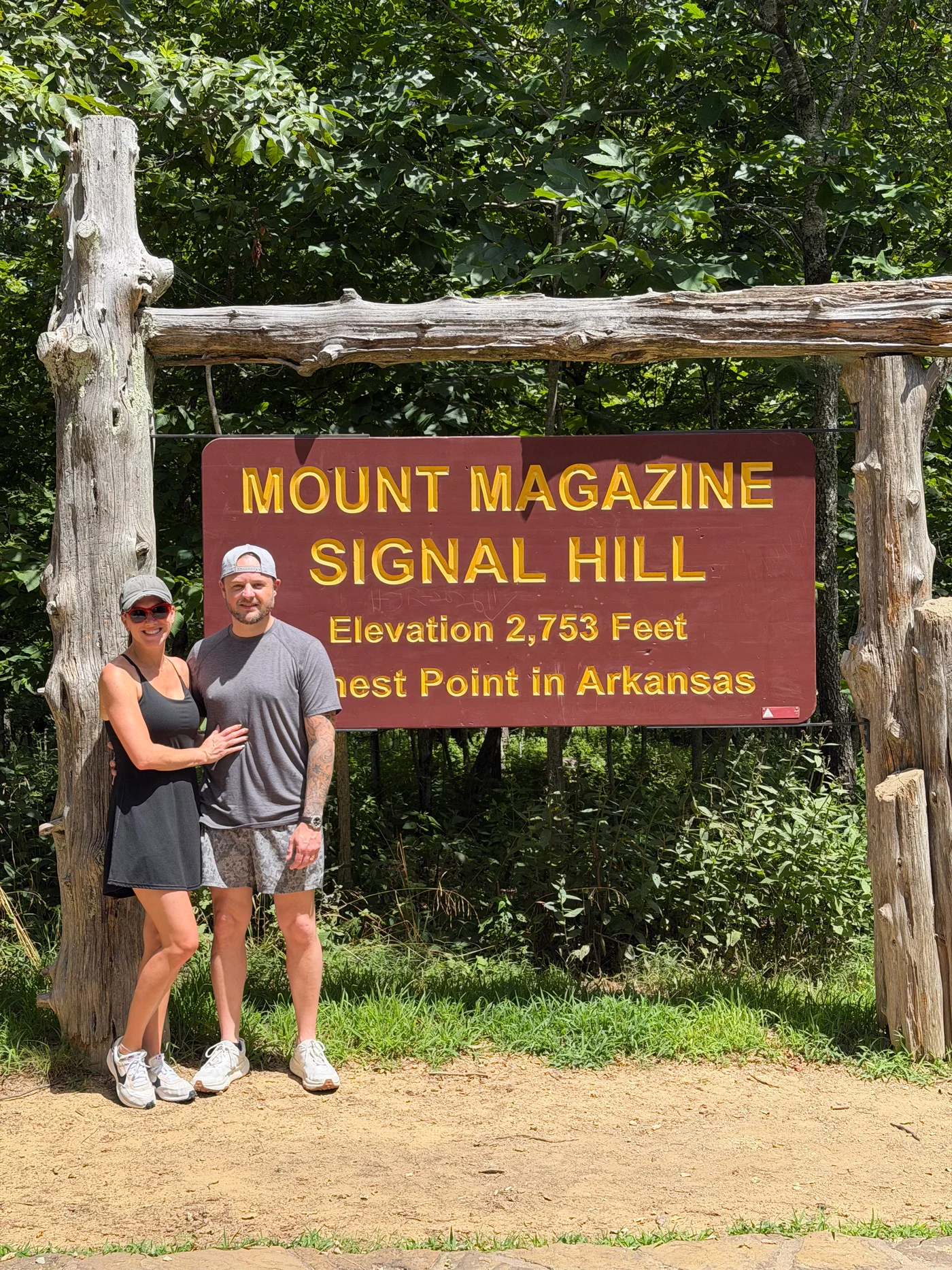
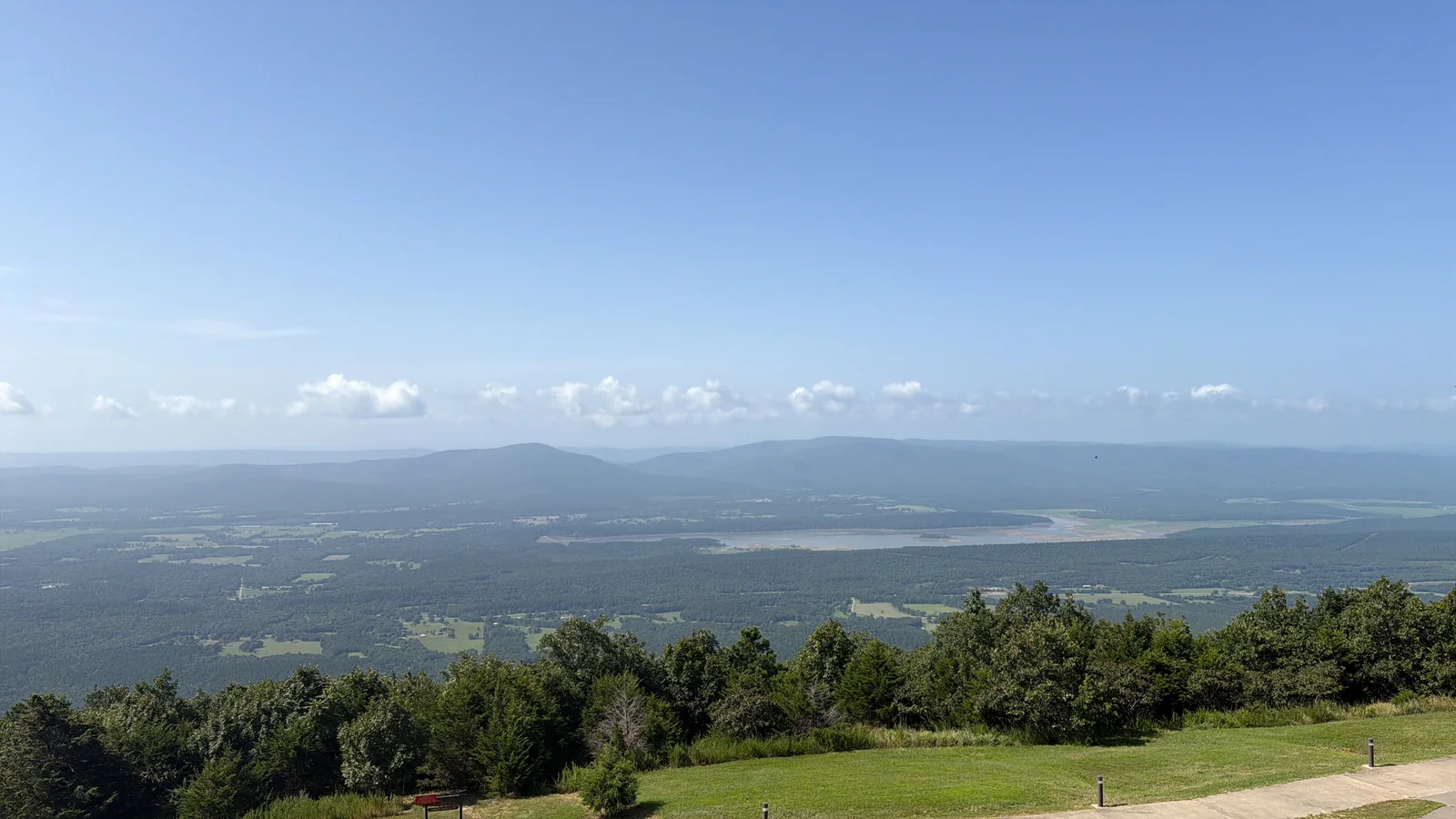
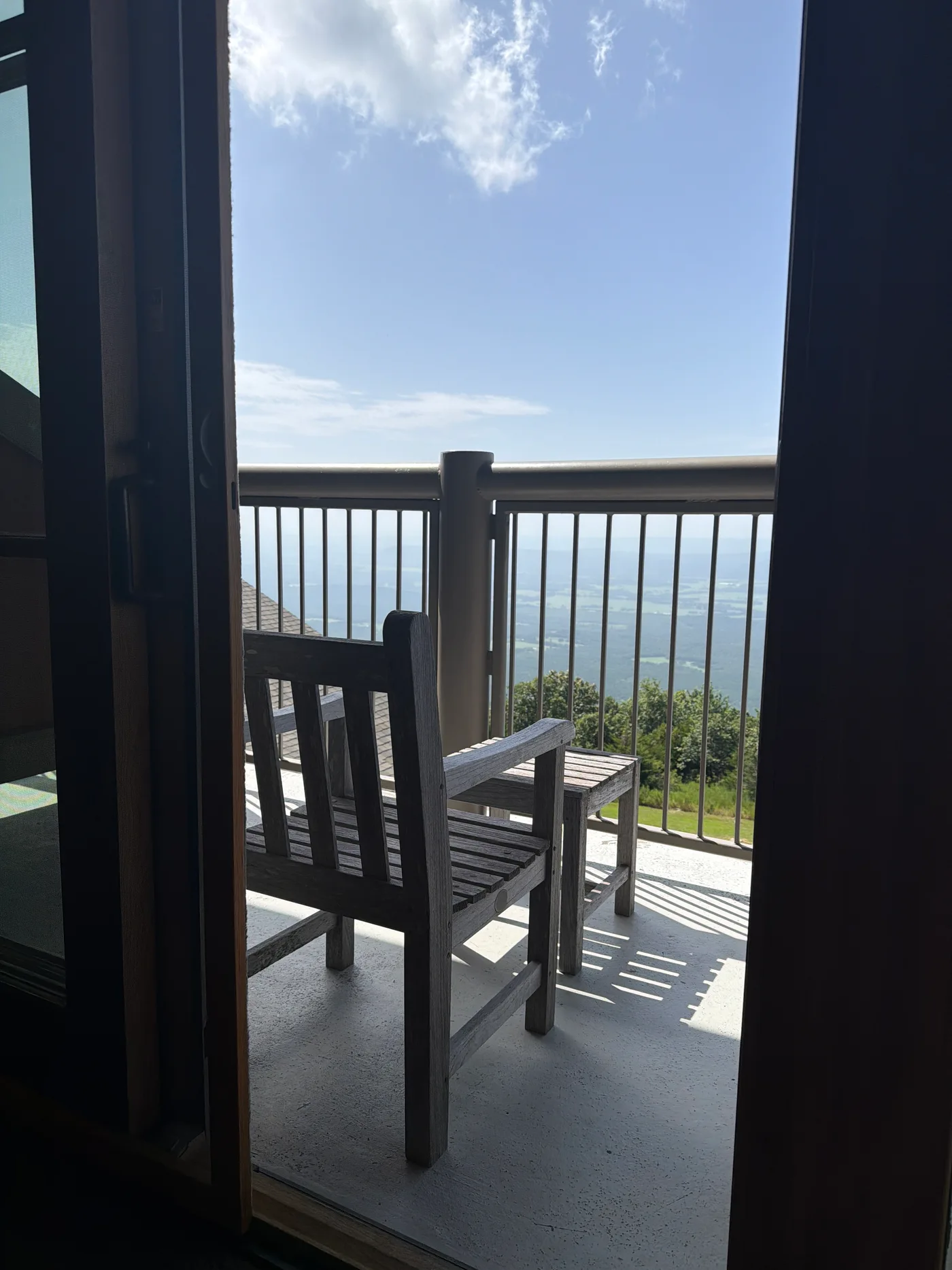
I thought about that drive this week, standing on top of Mount Magazine — the highest point in Arkansas at 2,753 feet. It was a comfortable 85 degrees up there with a steady breeze coming across the bluff. Same afternoon, back home in Bryant, it was pushing 90 with the kind of humidity that makes you change your shirt twice. Same lesson my family learned on that mountain in California — all over again, right here in our own backyard.
The science
Why it's cooler at the top
It isn't magic — it's physics. Air cools as it rises, roughly 3 to 5 degrees for every 1,000 feet of elevation. Climb 2,700 feet up Mount Magazine and you've knocked something like 10 degrees off the valley temperature, plus you catch the wind that the lowlands never feel. That's why the summit was a pleasant 85 while the flats around Paris and back home in central Arkansas sat in the low 90s.
Southern California just does it on a bigger scale. The San Joaquin Valley bakes at 100, and 6,000 feet up in the Sierra, in the shade of trees that were alive before Rome, it's in the 70s. Same principle, five times the vertical.
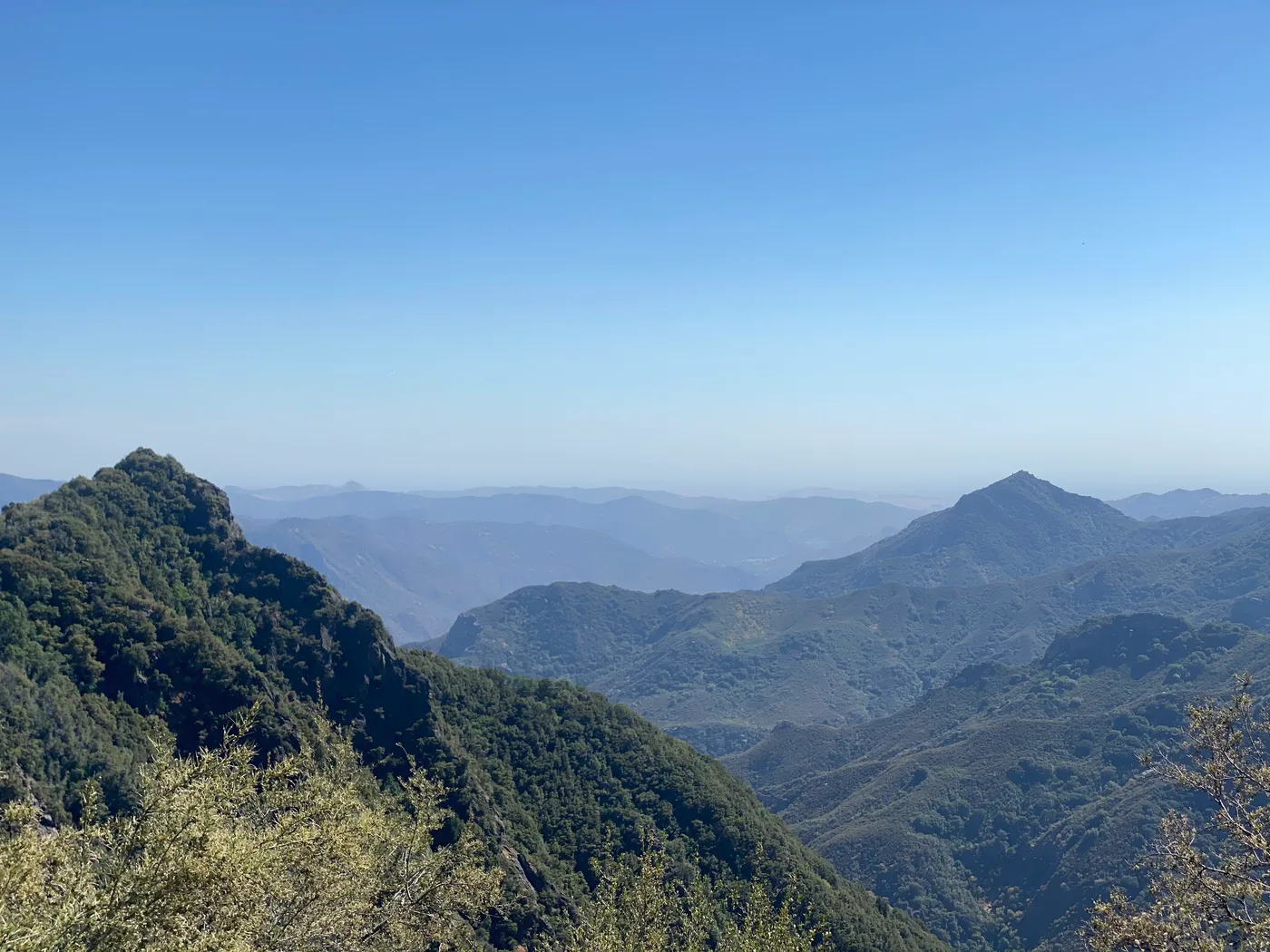
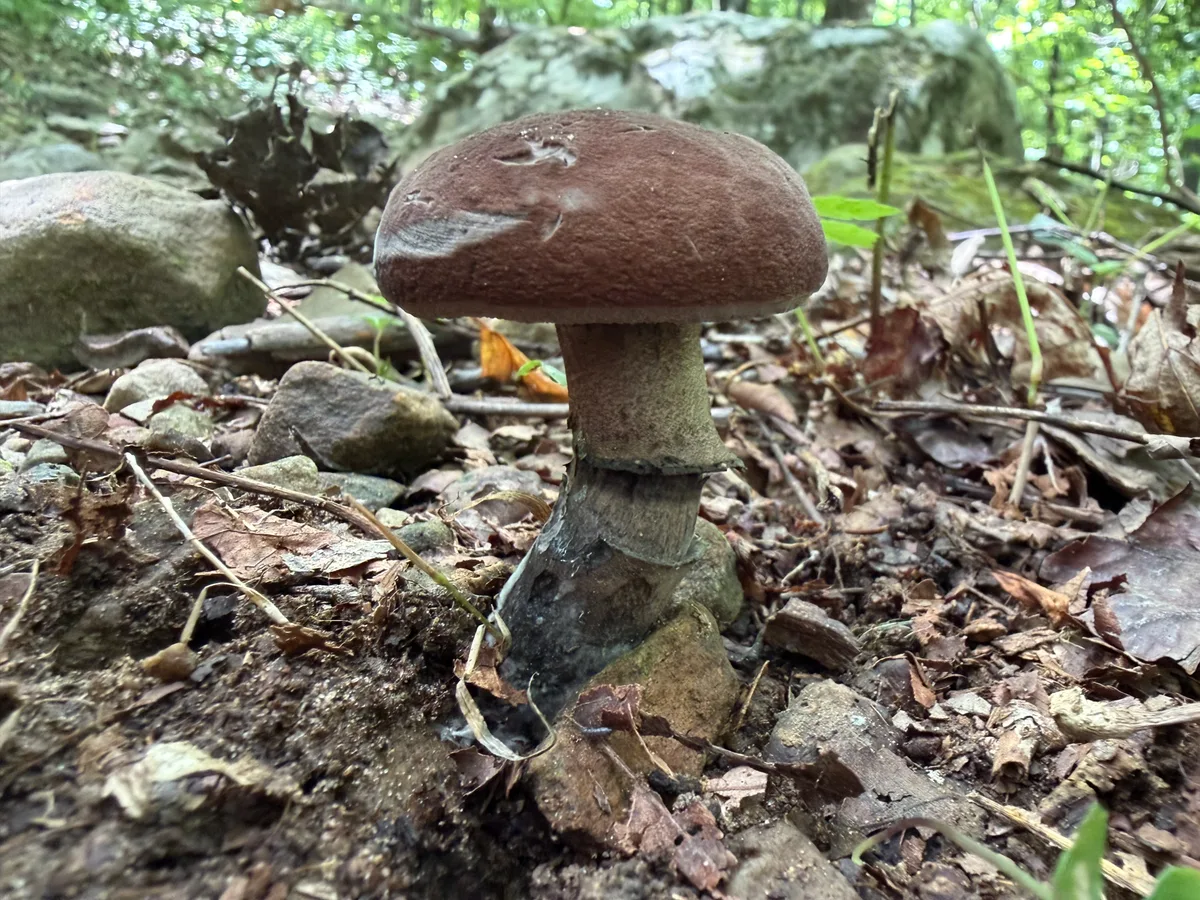
That cooler, damper mountain air doesn't just feel different — it grows different. The top of Mount Magazine is its own little ecosystem, shaded and green, full of things you won't find baking on the valley floor. Elevation changes everything, right down to what comes up out of the ground.
The takeaway
Your air conditioner is your elevation
Here's the thing that stuck with me on that overlook. On a mountain, when the heat gets to you, you can walk a little higher and find cooler air. In your house in July, you can't. When a central-Arkansas summer settles in — 95 degrees, dew points in the 70s — your air conditioner is the only thing standing between your family and a miserable, sweaty night. It's the elevation you don't have.
And it always seems to quit on the hottest day of the year. That's the whole reason Jet Heat and Air exists. We're a veteran-owned company based right here in Bryant, and we run same-day AC repair across Saline, Pulaski, and Faulkner counties for exactly that moment — the one where you can't just hike to cooler air.
So this one's a love letter to Arkansas, top to bottom. Get out to Mount Magazine if you can — it's one of the most beautiful spots in the state, and the highest ground we've got. And when you get home and the AC's losing its fight against that valley heat? You know who to call.
Frequently asked questions
What is the highest point in Arkansas?
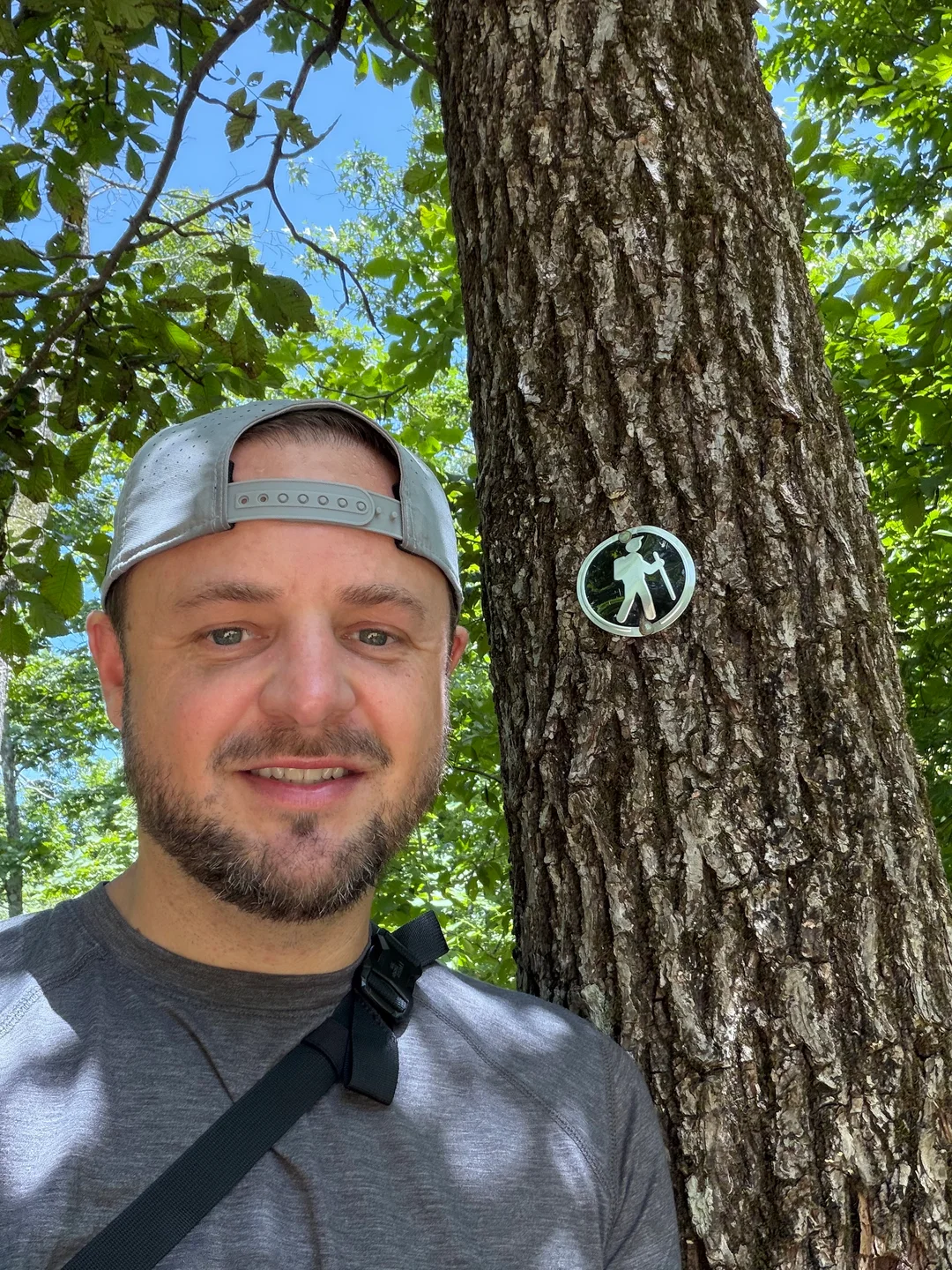
The highest point in Arkansas is Signal Hill on Mount Magazine, at 2,753 feet above sea level, in Mount Magazine State Park near Paris, Arkansas. A short, well-marked trail leads to the summit marker.
How much cooler is it on top of Mount Magazine?
Elevation drops the air temperature roughly 3–5°F per 1,000 feet, so the ~2,750-foot summit of Mount Magazine typically runs about 8–12°F cooler than the surrounding Arkansas River Valley. On our July hike it was around 85°F and breezy up top while Bryant and central Arkansas were pushing 90°F with heavy humidity.
What does a mountain hike have to do with an HVAC company?
Everything, in a roundabout way. On a mountain, if you're hot you can climb toward cooler air. In your house, you can't — your air conditioner is the only 'elevation' you get. Jet Heat and Air is a veteran-owned company in Bryant, and keeping central Arkansas families cool through a brutal valley summer is the entire job.
Elevation of Signal Hill / Mount Magazine (2,753 ft) per the National Park Service and Arkansas State Parks. Temperature figures for the hike per the National Weather Service (Little Rock) forecast for the Mount Magazine area. California photos from a family trip toward Sequoia National Park. When you start to sweat, Call Jet — 501-307-5959.